Kid Rock festival canceled in South Carolina after artist exits shake up summer tour
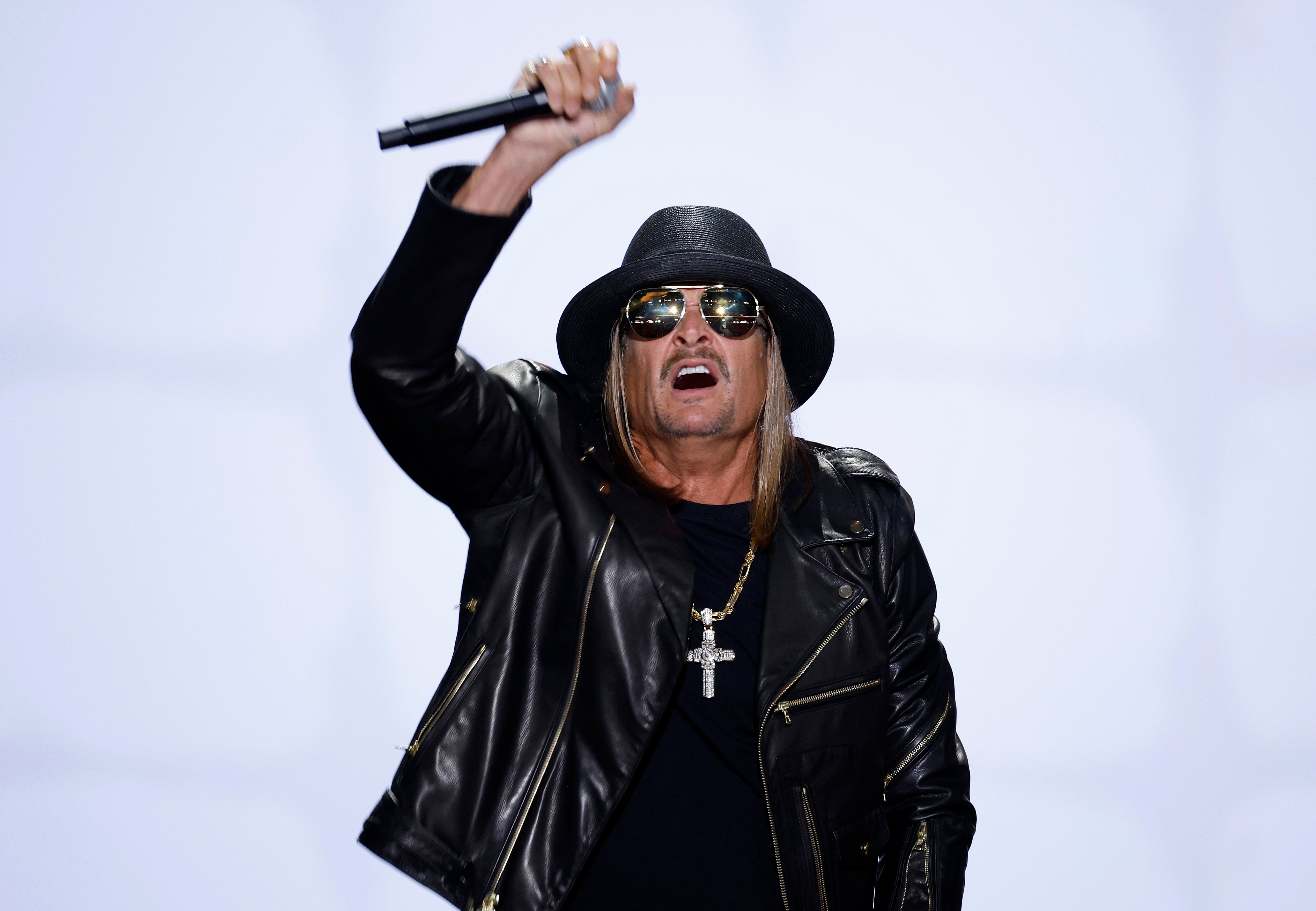
Kid Rock festival canceled in South Carolina after artist exits shake up summer tour
The summer tour branded as Rock the Country has dropped its Anderson, South Carolina stop, with officials confirming the cancellation on Friday, February 6, 2026 (ET). The move follows a flurry of artist withdrawals that reshaped the lineup and fueled debate among fans.
What’s canceled — and what isn’t
The two-day event planned for Anderson on July 25–26, 2026 (ET) will not take place. As of Sunday morning, February 8, 2026 (ET), the tour continues elsewhere, with seven remaining stops still advertised for late spring and summer. Kid Rock remains the marquee face of the traveling festival, which was initially mapped across eight small-town venues.
Why the Anderson dates unraveled
Momentum turned quickly in early February. On Friday, February 6 (ET), Shinedown publicly stepped away from the tour, saying the band’s purpose is to “unite, not divide.” Around the same time, fans noticed that Creed had disappeared from promotional materials for the Anderson weekend. Rapper Ludacris had already come off the bill earlier. Those changes removed some of the top-billed names for Anderson, eroding the draw for a market that had hosted the tour in recent years.
Local officials confirmed the Anderson cancellation on February 6 (ET), noting the event’s past success in attracting large crowds and economic activity but stopping short of assigning a singular cause for this year’s decision. No separate statement from festival organizers addressing Anderson had been posted as of the weekend.
Ticket options and refunds
Patrons who bought Anderson tickets have been offered two pathways: transfer their purchase to another 2026 tour stop with a merchandise voucher incentive, or request a full refund through a form distributed by email. Attendees considering a transfer should review the updated lineups and dates for remaining venues before opting in.
The evolving lineup
The festival launched with a star-heavy slate and a promise of big-stage spectacle in small towns. After the recent reshuffle, the traveling bill still features major country and rock names across multiple cities, though the exact mix varies by stop. Shinedown’s exit was the highest-profile departure late in the week, but it followed earlier moves by artists who had been listed in January graphics. The cumulative effect reduced the depth of the Anderson weekend and raised questions about whether additional adjustments could ripple through other cities.
Artists and promoters frequently recalibrate touring commitments as calendars, production logistics, and public sentiment shift. In this case, statements from at least one departing act framed the decision around audience unity. The conversation intensified online in the days leading up to the Anderson announcement, coinciding with separate plans involving the headliner elsewhere this month.
Economic and community impact
Anderson officials highlighted the tour’s previous economic footprint, citing tens of thousands of attendees and multi-million-dollar local impact in prior years. The 2026 cancellation leaves a midsummer gap at the fairgrounds but county leaders said new announcements are ahead. Nearby hospitality and vendors that had penciled in the late-July dates will look to recapture that business through other events on the calendar.
What to watch next
Key questions now center on whether the remaining seven stops retain their posted lineups, whether any artists added or removed from Anderson reappear in other markets, and when organizers will address the changes in a comprehensive update. Fans weighing ticket transfers should monitor official channels for any additional artist movements and on-sale adjustments. With the tour scheduled to begin in May (ET), the next two months will likely set expectations for how the brand navigates a politically charged spotlight and the practical realities of a multi-city festival.
Sources consulted: Newsweek, The Independent, Parade, NME